Discover Maryland: America in Miniature.
From coastal salt marshes to the Appalachian highlands.
1788
7th US State
Annapolis
State Capital
Blue Crab
State Crustacean
Explore By Region
Eastern Shore
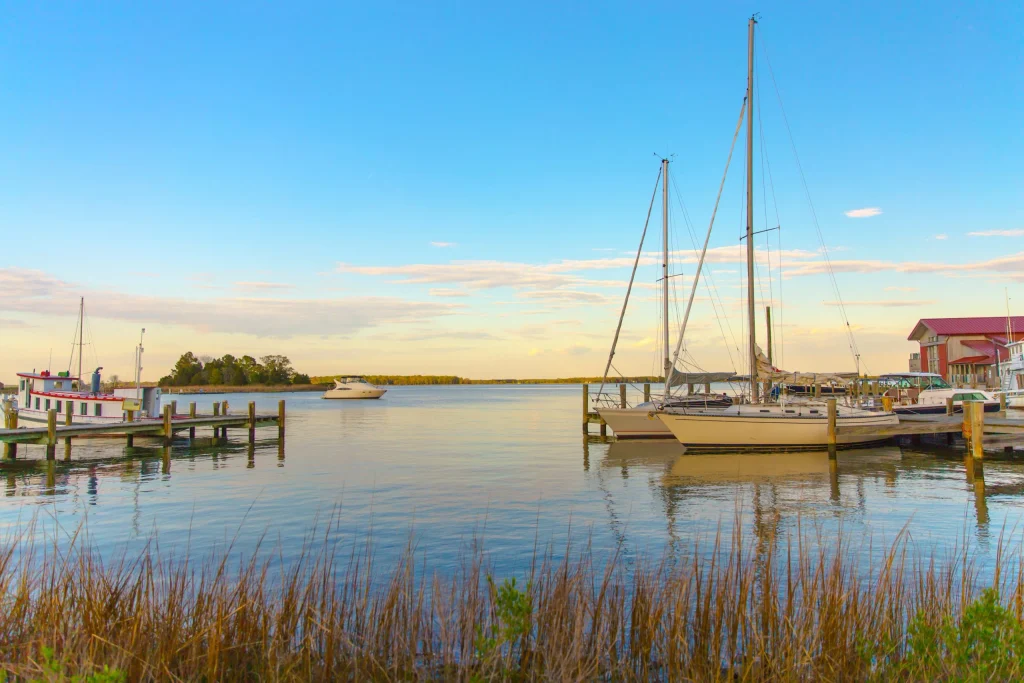
Discover charming coastal towns, pristine historic lifeways, and scenic waterfront views along the Chesapeake Bay.
Western Mountains
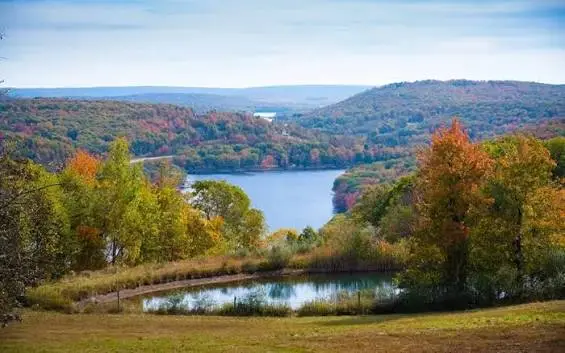
Escape to breath-taking forested peaks, outdoor mountain adventures, and peaceful four-season resort getaways.
Central Baltimore
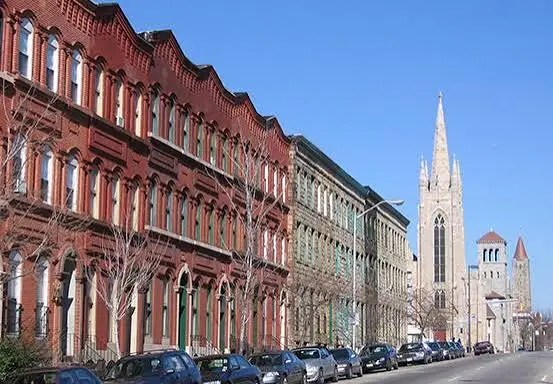
Experience the vibrant energy of historic urban harbors, world-class museums, and diverse culinary hotspots.
Best Places in Maryland
Historic Annapolis: Walking Through America’s Colonial Past
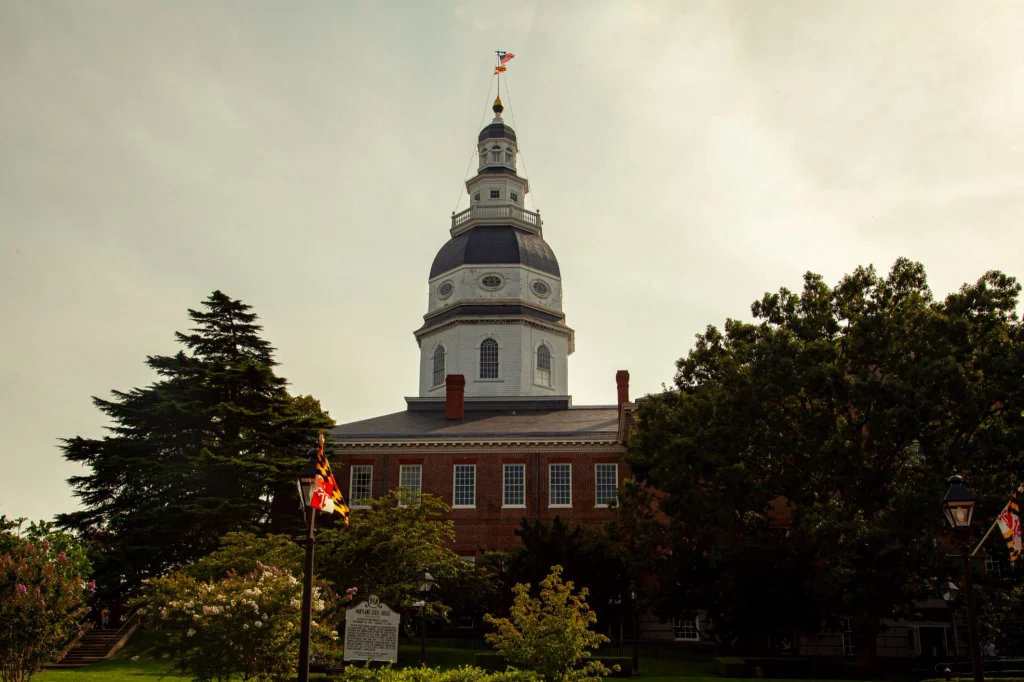
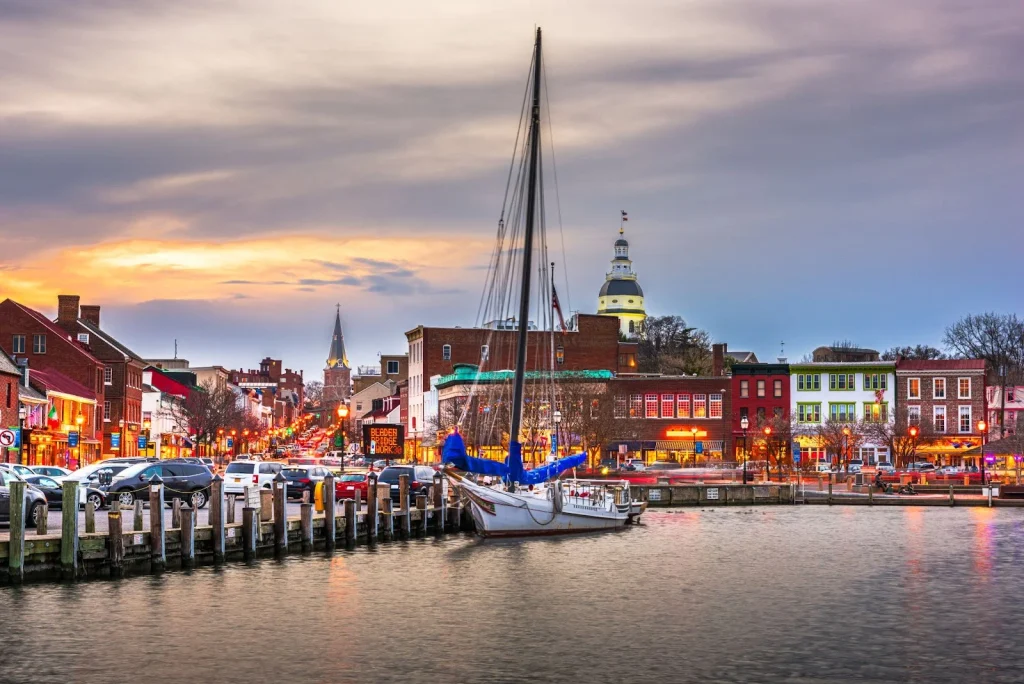
Tucked along the scenic banks of the Severn River, Annapolis stands as one of the most thoroughly preserved colonial capitals in North America. With more eighteenth-century brick buildings intact than almost any other city of its size in the United States, Maryland’s capital functions as an open-air museum where living history meets modern maritime life. The centerpiece of this landscape is the Maryland State House, constructed in 1772. It holds the distinction of being the oldest state capitol building in continuous legislative use across the nation. Between November 1783 and August 1784, this grand Georgian structure served as the temporary capitol of the United States. Within its Old Senate Chamber, General George Washington famously resigned his commission as Commander-in-Chief of the Continental Army, cementing the principle of civilian control over the military. Shortly thereafter, the Continental Congress ratified the Treaty of Paris inside these very walls, officially concluding the Revolutionary War.
Stepping outside the State House grounds leads visitors onto brick-paved streets radiating out in an original baroque city plan designed by Governor Francis Nicholson in 1695. The narrow avenues—bearing royal names like Duke of Gloucester, Prince George, and King George—are lined with preserved historic residences such as the William Paca House and Garden. Built by William Paca, a signer of the Declaration of Independence, the five-part Georgian mansion features a reconstructed two-acre English garden complete with a Chippendale-style bridge and heirloom plant varietals.
A short stroll downhill terminates at Annapolis City Dock, colloquially known as “Ego Alley.” Here, sleek pleasure yachts and classic workboats maneuver within arm’s reach of outdoor seafood terraces. The adjacent United States Naval Academy adds military tradition to the waterfront, its granite Beaux-Arts buildings housing midshipmen since 1845. Guided walking tours lead travelers through the academy grounds to the crypt of naval hero John Paul Jones, while afternoon gun salutes echo across the harbor. Whether inspecting colonial architecture, watching midshipmen on parade, or dining beside the water, Annapolis delivers a tangible connection to the foundational chapters of American history.